California Sentinel Sites for Nature
Background and Key Challenges
The California Sentinel Site Network (CA-SSN) is a collaboration of academic, governmental, and nonprofit organizations created to perform long-term biodiversity and climate monitoring across the state of California. Organized through the California Biodiversity Network, CA-SSN’s purpose is to provide a feedback mechanism for California 30 x 30, an effort to manage 30% of land mass for biodiversity by the year 2030.
California is facing many environmental and ecological challenges as a result of pressures from human habitation, invasive species populatiions, and extreme weather events due to climate change. CA 30 x 30 uses static land designations to set aside property for biodiversity preservation, but on its own it has no way of determining if the effort is working.
Methods and Solutions
Enter the California Sentinel Sites for Nature. CA-SSN’s mission is to build a network of multi-jurisdictional biodiversity monitoring sites, managed by multiple partner organizations who wish to establish biodiversity baselines and assess changes over time. In order to assess long-term biodiversity and climate trends, the CA-SSN needs a network of partners committed to sustained monitoring that utilizes shared standardized protocols for a minimum of five years, and ideally longer.
For the initial effort, CA-SSN adopted the California Department of Fish & Wildlife’s California Environmental Monitoring and Assessment Framework (CEMAF) to set up site instrumentation. This protocol uses the following:
- Standard camera trap: Large animals
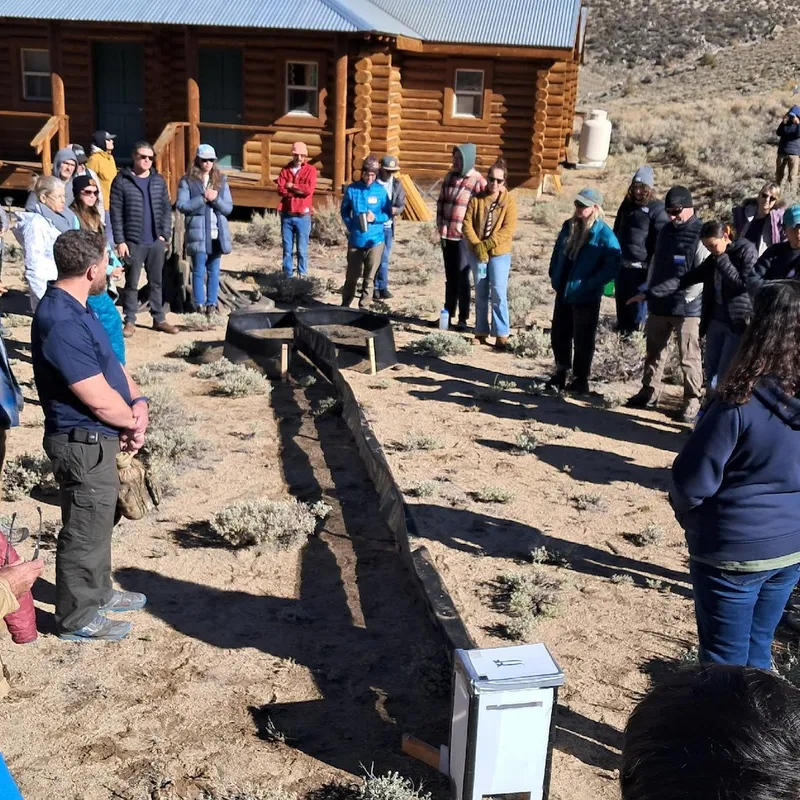
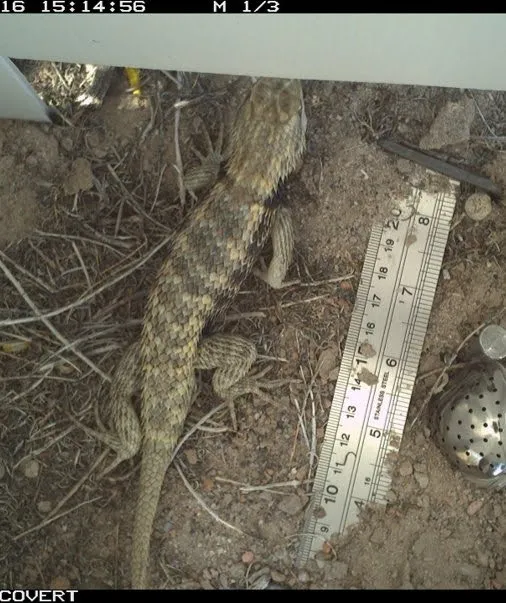
- Drift fence top-down camera trap: Small animals, herps, reptiles
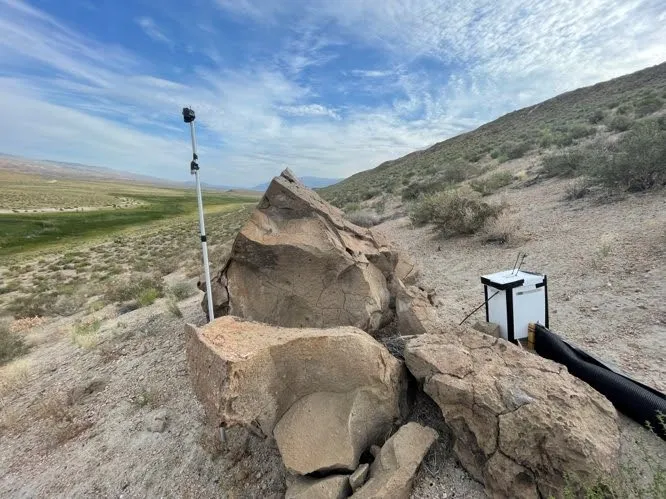
- Audio recording unit: Birds
- Audio recording unit: Bats
Each monitoring plot has one of each type of monitoring instrument listed above. Each site (or property) has at least four monitoring plots.
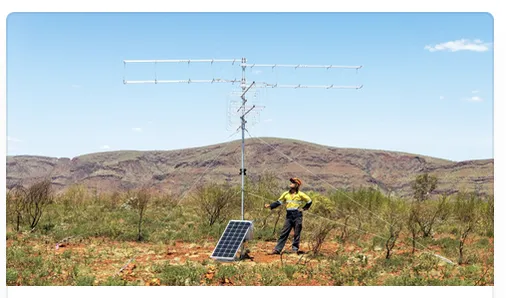
Optionally, each site ideally has a weather station with either soil moisture or marine water levels, and a Motus site within 10 miles. See https://cassn.org for more details on the protocols.
All sites were established for the purpose of modelling the presence or absence of multiple species within their respective regions.
AI processing & Data Management
Dendra is proud to have been named the official repository for all weather station data. Motus is used for all tagged telemetry data. Wildlife Insights provides the platform for machine learning processing to identify species in camera trap images and give biologists a way to audit the identifications and correct them. Likewise, Wildlife Soundhub, a UC Berkeley project, is performing a similar function for the audio sound files, using Cornell Labs’ BirdNET machine learning package to identify species based on audio recordings.
We’ll be uploading processed bat identification data to NA Bat, a nation-wide repository for bat occurrence records. CA-SSN is working with the National Data Platform to create a single database of all species occurrences from any sensor. This database will be a combination of the output from Wildlife Insights, Soundhub, Motus, and the bat data.
Results and Future Outlook
With funding from the CA Department of Fish & Wildlife Cannabis program, we now have over 80 sites across CA, with 28 new sites coming online within the next year from the Cal State University System.
Our current active particpants are:
- California Department of Fish & Wildlife
- University of California Nature (formerly known as UC Natural Reserve System)
- UC Agricultural & Natural Resources System
- Pepperwood Preserve
- The Nature Conservancy (Dangermond Preserve & Santa Cruz Island)
- Cal State University System
The value of the 30 x 30 effort is not just in its resulting data. The coordination and collaboration between all its organizations is providing a framework for future work to expand existing environmental monitoring and act on the results. Each additional site placed online increases the value of all the other existing sites — that is the beauty of monitoring systems like these.
Learn More
CA-SSN: https://cassn.org
CBN: https://cabiodiversitynetwork.org
CA 30 x 30: https://www.californianature.ca.gov
CA Fish & Wildlife CMAF: https://wildlife.ca.gov/Conservation/Cannabis/CEMAF
Motus: https://motus.org
Wildlife Insights: https://www.wildlifeinsights.org
Wildlife Soundhub: https://wildlifesoundhub.org
NABat: https://www.nabatmonitoring.org
National Data Platform: https://nationaldataplatform.org